
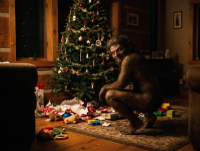
Name: Kallikantzaros (plural: Kallikantzaroi)
Location/Origin: Greece and the Greek-speaking regions of the BalkansA figure of rural folk belief, most commonly associated with winter and the Twelve Days of Christmas
Powers: Moves freely between the underground world and human homes during midwinter, able to enter houses unnoticed, especially at night, highly resistant to cold, darkness, and exhaustion, possesses unnatural persistence rather than brute strength
Appearance: Descriptions of the Kallikantzaros vary widely by region. It is most often depicted as a small, misshapen humanoid, sometimes hairy or animal-like, occasionally closer to a distorted human, but always unsettling and clearly unnatural.
Specific Danger: Kallikantzaroi do not typically kill, but they cause significant harm through sabotage and contamination. They steal food, destroy household goods, frighten livestock, and spread illness by fouling water, kitchens, and sleeping areas. Encounters often result in prolonged misfortune rather than immediate injury.
Evolution: Originally believed to be subterranean beings who spend most of the year sawing at the World Tree that supports the earthLater folklore ties their emergence to the Christian calendar, limiting their appearance to the Twelve Days of Christmas. Over time, they shifted from pagan chaos spirits to seasonal household threats, blending pre-Christian beliefs with Christian traditions.
According to Greek folk belief, Kallikantzaroi spend most of the year underground, endlessly sawing at the great tree that supports the world. Just as they near success, Christmas arrives, forcing them to abandon their task and rush to the surface. During the Twelve Days of Christmas, they roam freely, slipping into villages and homes under cover of darkness.Rather than seeking grand destruction, Kallikantzaroi delight in disruption. They overturn furniture, steal food, spoil household supplies, and torment both people and animals. When Epiphany arrives, they are driven back underground, only to discover the tree healed once again, condemning them to repeat the cycle year after year.
Warning to Travelers:
Traditional belief holds that Kallikantzaroi are most active at night during midwinter. Travelers were advised to avoid wandering after dark, keep fires burning, and leave no food unattended. Homes were protected with incense, garlic, or constant light, as darkness and disorder were believed to invite their presence.Those who encountered a Kallikantzaros were said to suffer lingering bad luck, illness, or repeated small disasters rather than immediate harm. The danger lay not in a single attack, but in what followed.
Symbolism:
Kallikantzaroi embody chaos during a liminal time of year, the fragile boundary between the old year and the new. They represent disorder entering the domestic space, a reminder that stability must be actively maintained. Their cyclical failure to destroy the world reflects folk beliefs about balance, resilience, and the inevitability of renewal, even in the face of persistent disruption.